المواد
الإيرسبراش مقابل الفرشاة اليدوية: متى تستخدم ماذا
9 مارس 2026 · Resin Factory
ملاحظة: محتوى المقالات منشور بالإنجليزية. الصفحات الأخرى متاحة بلغتك.
When to airbrush, when to hand-brush, when to combine. The painting choice that decides whether your figure looks $30 or $300.
Airbrush is for large, smooth color fields and gradients — skin, sky, base coats, ambient shadows. It lays down 3–5 layers of thin pigment that mix optically into a finish you simply cannot get with a brush. A well-airbrushed face looks alive. A brushed face looks painted.
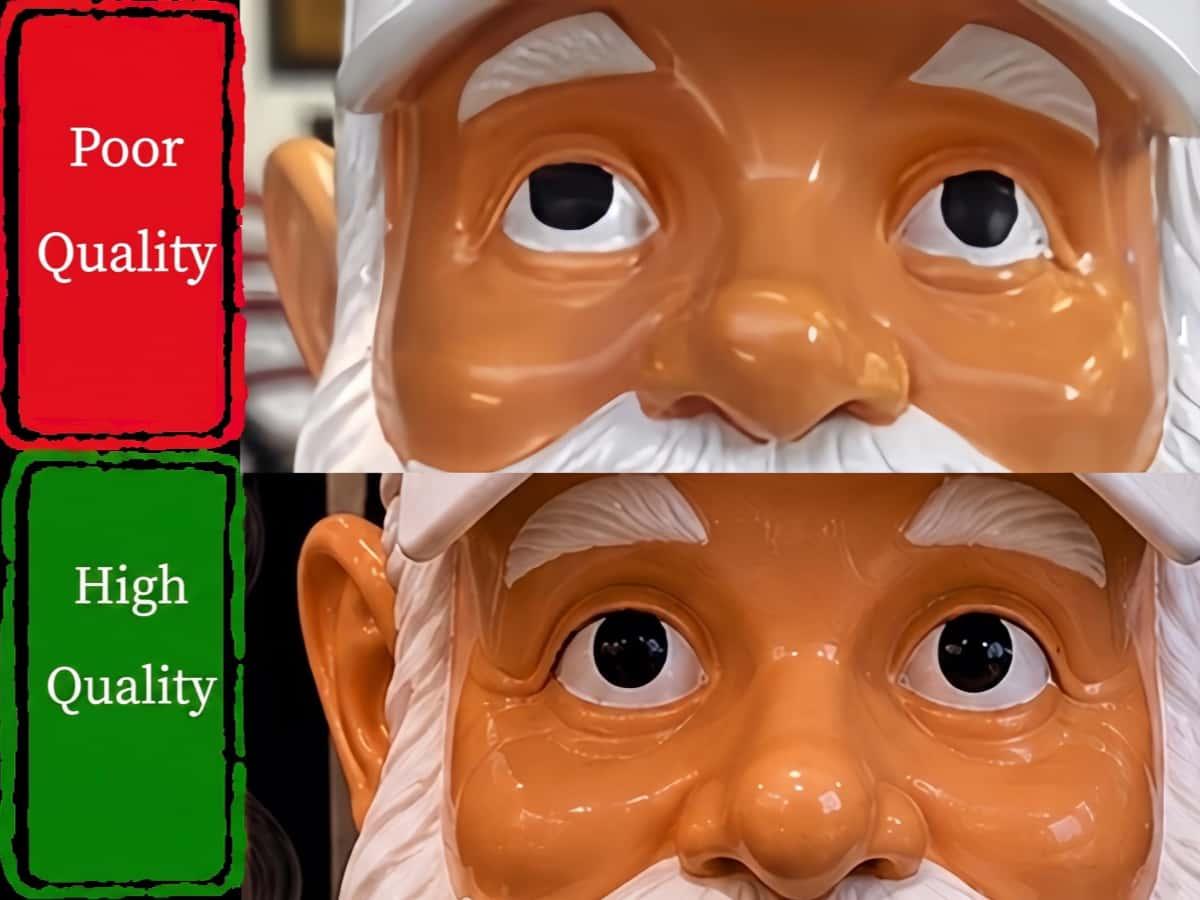
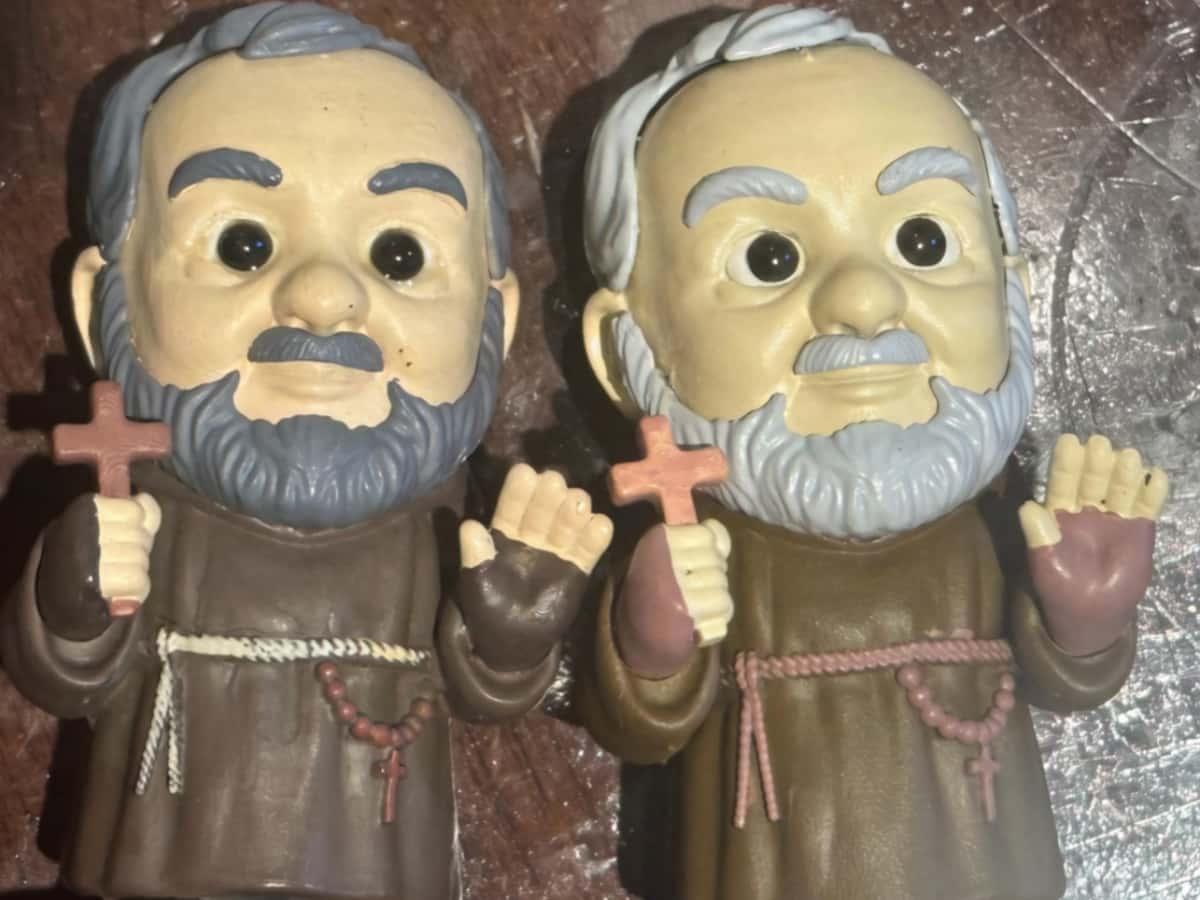
Hand brush is for everything tight: eyes, lips, fabric folds, accessories, weapon detail, eyebrow strokes. The control of a 0.5mm brush at 2× magnification beats any airbrush at this scale. Painters typically use 5–10 different brush sizes per figure, switching tools 30+ times per piece.
The combination is where great resin figures live. A typical workflow: 1) airbrush the primer base coat, 2) airbrush the skin tones with shading, 3) hand-brush the eyes and mouth, 4) hand-brush the costume detail with washes for shadow recess, 5) airbrush a final unifying glaze for color cohesion, 6) optional matte/satin sealant.
What we won't do: 'all hand-brush' for a $40 figure. The labor cost destroys the unit economics. We also won't do 'all airbrush' for a face — the eyes will read as flat dots and collectors notice immediately.
If a client tells us 'we want it all hand-painted' we usually translate that to 'we want it visibly hand-painted in the places that show.' That's our default. The base under the figure can be airbrushed; the figure's eyes never can be.