Quality Control
Why Do Samples and Mass Production Look Different? How to Avoid It
Aug 23, 2026 · Resin Factory
You approve a sample. Then mass production arrives — and it doesn't match. Colors are off, details are blurry, surfaces are rough. Here's why it happens and how to prevent it.
## Quick Answer
**6 main reasons for sample-mass production inconsistency:**
1. Master pattern not properly finished
2. Color formula not recorded
3. Mass production uses lower-grade materials
4. Sanding operators don't follow requirements
5. No 100% quality inspection
6. Inadequate packaging, especially inner packaging
**Solution:** Establish standardized processes (master pattern management, color formula recording, material consistency control, sanding SOP, 100% inspection, packaging standards) to ensure sample-mass production consistency ≥98%.
## Problem
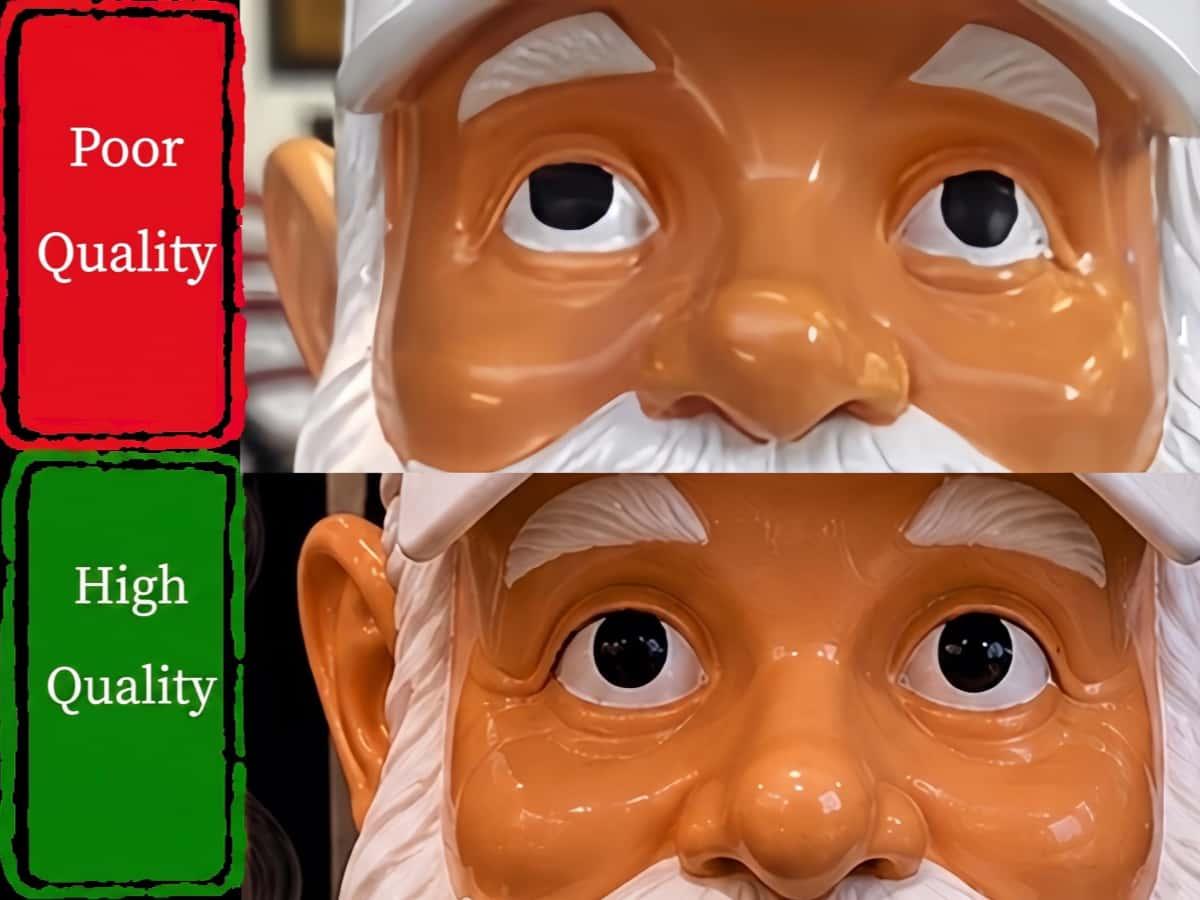
You approve a sample. Then you receive mass production — and the products don't match the sample. Colors are off, details are blurry, surfaces are rough, or there's shipping damage.
This inconsistency leads to:
- Customer complaints and returns
- Brand reputation damage
- Re-production delays
- Lost customers
## Cause
**1. Master Pattern Not Properly Finished**
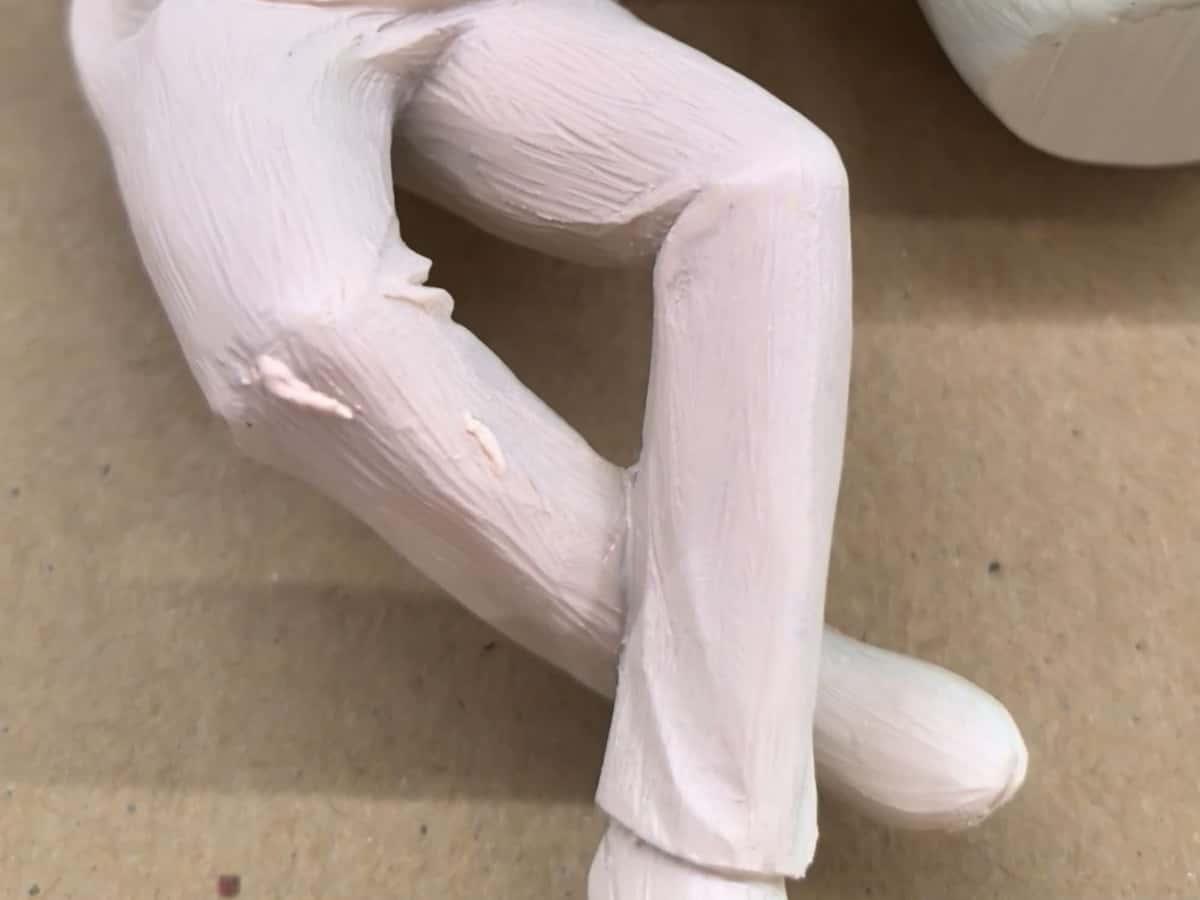
The master pattern wasn't properly finished during sample creation, causing details to be lost or distorted when replicated in mass production.
**2. Color Formula Not Recorded**
The exact paint formula and ratios weren't recorded during the sample stage. Mass production relies on visual estimation, causing color drift.
**3. Lower-Grade Materials for Mass Production**
To cut costs, mass production uses inferior materials (e.g., lower resin density, poor hardness) compared to the sample, affecting final quality.
**4. Sanding Operators Don't Follow Requirements**
Sanding procedures aren't strictly followed during mass production, resulting in rough surfaces and blurred details.
**5. No 100% Quality Inspection**
Mass production isn't inspected piece by piece. Defective products flow into packaging.
**6. Inadequate Packaging, Especially Inner Packaging**
Improper packaging causes product damage, scratches, and paint peeling during shipping.
## How to Prevent
**For Cause 1: Standardize Master Pattern Finishing**
- After sample approval, master pattern must go through 3 rounds of finishing and inspection
- Establish master pattern finishing SOP (Standard Operating Procedure)
- Quality supervisor signs off after finishing
**For Cause 2: Record Color Formula**
- Record exact paint formula during sample stage (brand, model, ratio)
- Use digital scale precise to 0.1g
- Archive formula; mass production must follow it strictly
**For Cause 3: Material Consistency**
- Mass production blanks must use same materials as sample
- Establish material procurement standards; no supplier changes allowed
- Inspect every batch of incoming materials
**For Cause 4: Sanding Process Control**
- Create sanding work instructions (sandpaper grit, pressure, duration)
- Train operators; only qualified personnel can work
- QC inspector checks each piece after sanding
**For Cause 5: 100% Inspection System**
- Establish 3 QC stages: blank inspection → painting inspection → pre-packaging inspection
- QC inspector checks each piece after every stage
- Defective products must be reworked; cannot flow to next stage
**For Cause 6: Packaging Standards**
- Set inner packaging standards (foam, bubble wrap, carton thickness)
- Package each product individually to prevent collision
- Conduct drop tests to ensure shipping safety
## How Resin Factory Handles It
**1. Master Pattern Management**
- After sample approval, senior technicians finish the master pattern through 3 inspections
- Photos archived; customer confirms
**2. Color Management**
- Record exact formula using digital scale (precise to 0.1g) during sample stage
- Archive formula; mass production follows it strictly
- Use Pantone codes as color standard
**3. Material Management**
- Mass production blanks use same materials as sample (resin density ≥1.2g/cm³)
- Inspect every batch of incoming materials (hardness, density, color)
- No supplier changes allowed
**4. Sanding Control**
- Sanding SOP: coarse (80 grit) → medium (180 grit) → fine (320 grit)
- Operators trained and assessed; 100% pass rate required
- QC inspector checks surface smoothness piece by piece
**5. 100% Inspection**
- 3 QC stages: blank → painting → pre-packaging
- QC inspector checks each piece after every stage
- Defective products must be reworked; cannot flow to next stage
- Inspection reports archived with photos; sent to customer with shipment
**6. Packaging Standards**
- Inner packaging: each product wrapped in bubble wrap + foam fixation
- Outer carton: 5-layer corrugated cardboard, thickness ≥7mm
- Drop test: 1-meter drop, no product damage
- Packaging process archived with photos
**Our Commitment:**
- Sample-mass production consistency ≥98%
- Color difference ΔE<2.0 (invisible to human eye)
- Defect rate <1%
- Shipping damage rate <0.5%